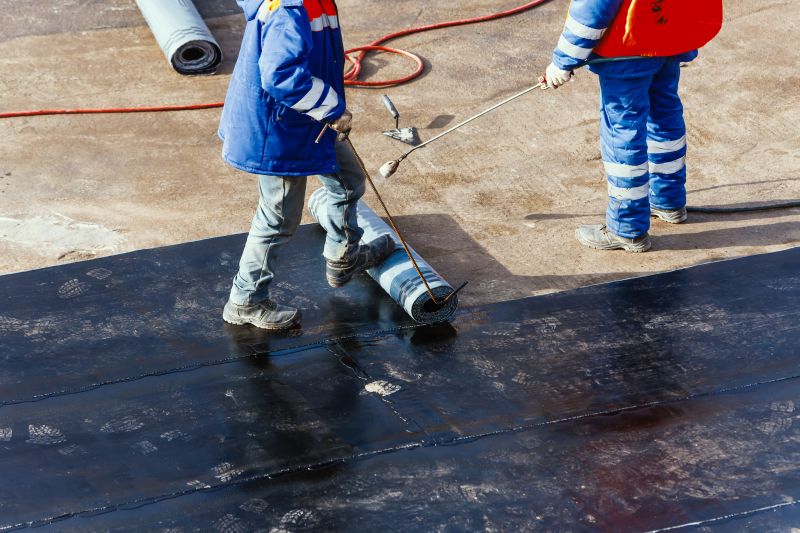


Cost of Vapor Barrier Installation in Oxford, MI
Vapor barrier installation costs in Oxford, MI, can vary depending on several factors including the size of the area, the types of materials used, and the complexity of the site conditions. Typically, labor and material prices contribute significantly to the overall project cost, with larger or more intricate installations generally requiring more resources. Final pricing will depend on the specific scope of work and the conditions at the site.
It is important to consider that the total expense for vapor barrier installation may fluctuate based on the chosen materials, the extent of preparation needed, and any additional site-specific requirements. Since costs are influenced by these variables, obtaining detailed estimates from local providers can help compare options and determine a budget aligned with the project's needs.

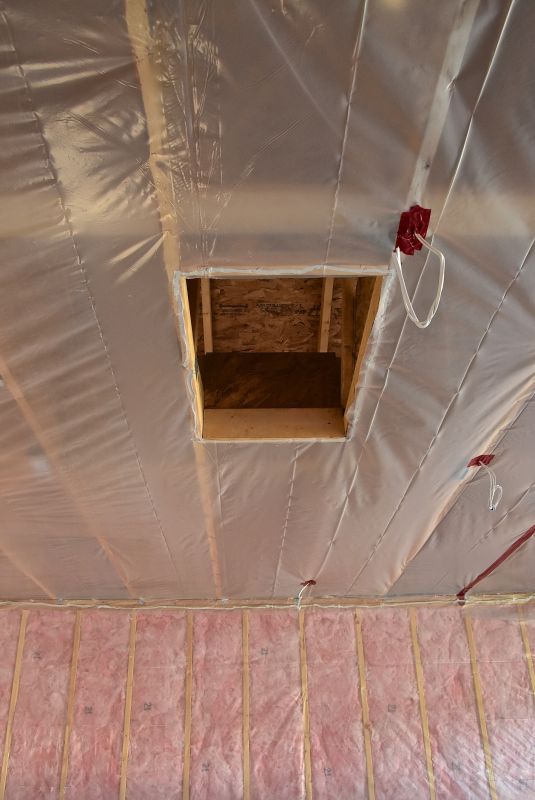
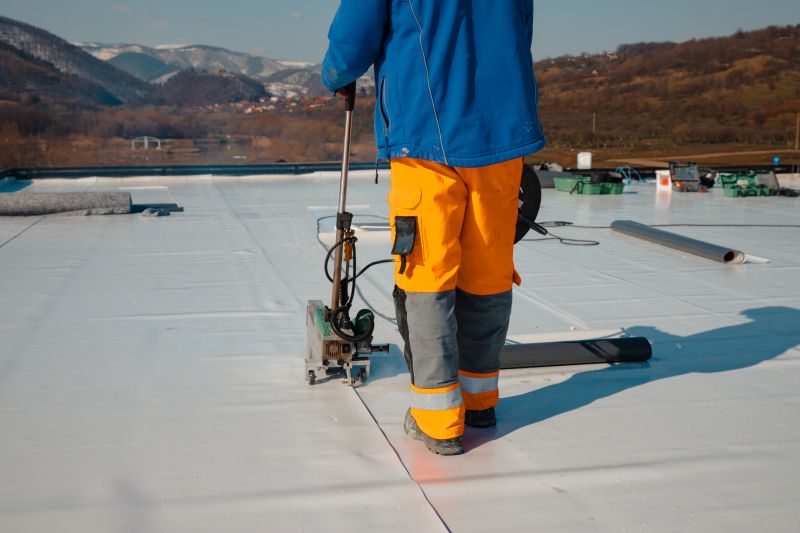
Typical Price Range
Key Cost Factors
Vapor barrier installation is an important step in managing moisture and preventing mold growth in building foundations and crawl spaces around Oxford, MI. Understanding the typical scope and considerations can help homeowners and builders plan effectively for this project.
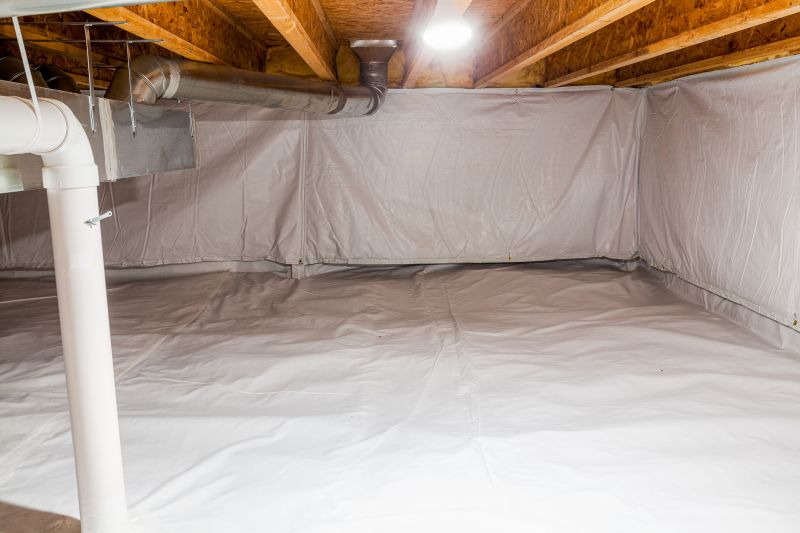
- Materials: Common vapor barrier materials include polyethylene sheets, typically 6 mil or thicker, designed to resist moisture transmission and suitable for underground or crawl space applications.
- Size and Scope: The installation generally covers the entire crawl space or basement floor, with dimensions tailored to the specific area of Oxford, MI, ensuring complete coverage for effective moisture control.
- Labor Complexity: Proper installation requires careful sealing of seams and edges, which can involve some skill to ensure the vapor barrier functions as intended and minimizes gaps or tears.
- Permitting: Local regulations in Oxford, MI, may require permits for foundation or crawl space modifications, including vapor barrier installation, depending on project scope and building codes.
- Extras: Additional components such as insulation, sealing of vents, or dehumidification systems may be recommended to maximize moisture control and energy efficiency.